Compare
Twirldress vs Nokkh — any dress from anywhere, on you.
Nokkh and Twirldress both answer "how will this look on me?" — but they were built for different rooms. Nokkh grew out of brand-side photography: it turns flat-lay product shots into on-model photos for fashion labels, and its shopper try-on is designed to live on product pages — paste a product link from a connected store, add your photo, and the garment appears on you at the moment of purchase. Twirldress is built for the room before that: you found a dress somewhere — a boutique, a marketplace, a pin board, a game — and you want to see that exact dress on your body before you commit to anything.
This comparison untangles who each tool serves: the shopper standing on a product page versus the person deciding from any tab in the browser — and how the two compare on dress fidelity, where the garment can come from, pricing per render, and privacy.
Last updated October 2, 2026
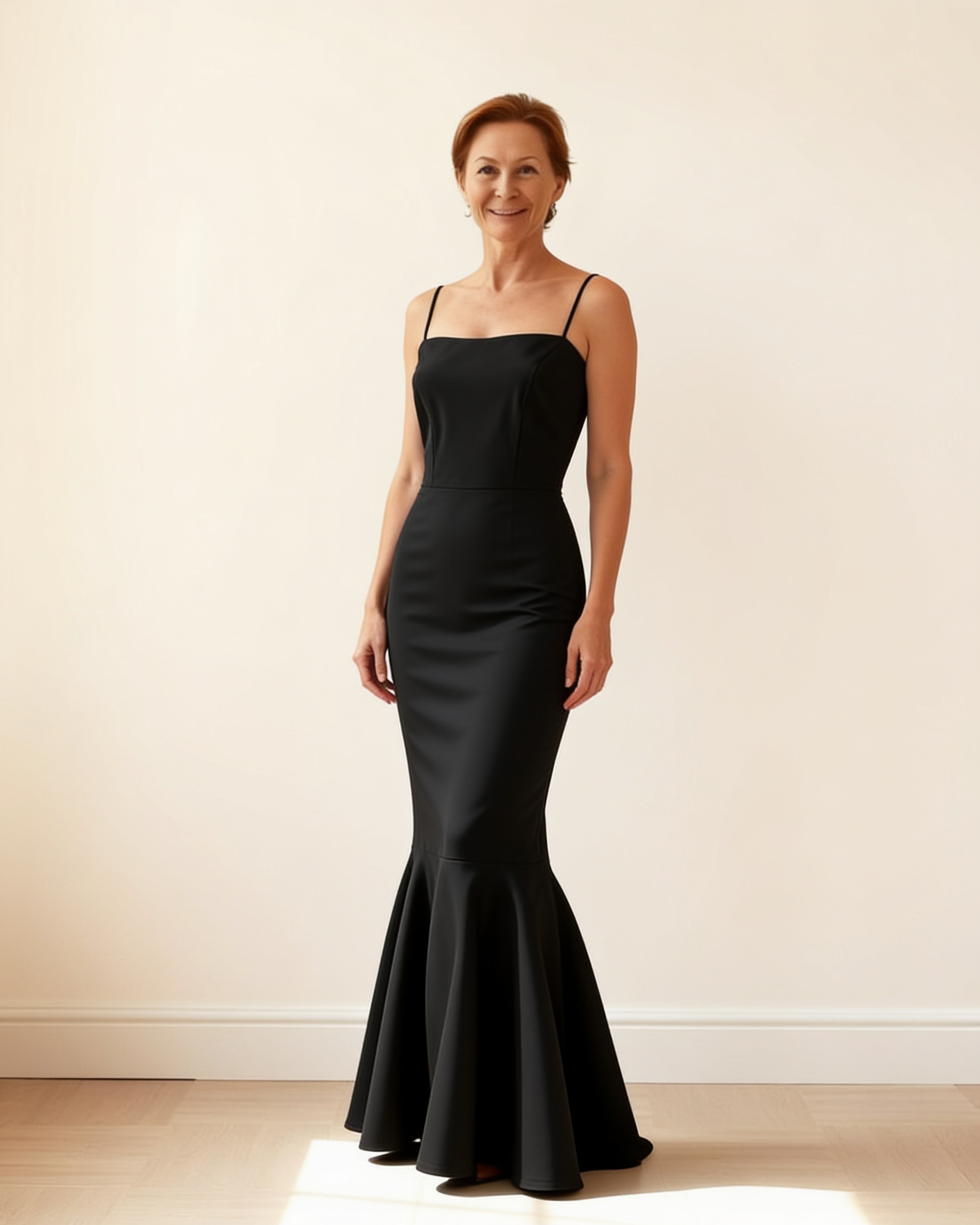
The short answer
Choose Nokkh when the dress sits on a store that's plugged into its network — paste the link, see it on you, buy with confidence; and brands should shortlist it for AI model photography and Shopify integration. Choose Twirldress when the dress comes from anywhere else — a screenshot, a Pinterest pin, a vintage listing, your own sketch — and you want a dress-only engine to render it on your real photo. The first try-on is free, and it takes about 20 seconds.
| Twirldress | Nokkh | |
|---|---|---|
| Made for | You, deciding on a dress | Brands first — shopper try-on tied to product pages |
| Where the dress comes from | Any dress image — screenshot, pin, product shot, sketch — or 56+ in-house designs | Product links from connected stores; flat-lay product photos for brand shoots |
| Works without a retailer connection | Yes — the dress image is all it needs | Shopper flow is built around pasted links and store integrations |
| Skirt length & drape fidelity | Core focus of a dress-only engine | General garment rendering across categories |
| Brand-side extras | Separate seller and rental landing pages | AI fashion-model photoshoots, Shopify integration, API, licensed Creator models |
| Where it runs | Any browser, no app | Web, iOS app, Shopify app and API |
| Free tier | First try-on free after a quick sign-in | Three free try-ons on the web at the time of writing |
| Paid model | Pay-as-you-go credits from $5.99 for 10 — never expire | About $0.10 per try-on via credits, at the time of writing; shopper app plans from $9.99/month |
| Photo privacy | Never stored, never used for training | Handled per Nokkh's privacy policy |
Two audiences, two architectures
Nokkh is, at its center, infrastructure for brands. Its flagship promise replaces studio photoshoots — flat-lay in, on-model photos out, with AI models or licensed real ones from its Creator Network — and its shopper try-on extends that pipeline to the product page, where a paste-a-link box and a Shopify integration put the garment on the shopper's own photo at the moment of decision. That's a coherent, genuinely useful product — if you're standing on a product page of a store that's connected.
Twirldress has no storefront to sit on. It's a fitting room for the stage before checkout, when the dress might be a screenshot from social, a saved pin, a listing on a marketplace with no integrations, a vintage find, or a design that exists only as a sketch or a game creation. The dress image itself is the only ticket required.
The dress matters more than the store
Where the garment comes from shapes what the renderer must do. Nokkh renders garments across categories — its brand tooling must handle knitwear as well as gowns — and its per-render price is set for volume. Twirldress renders dresses and nothing else, so the engine's entire tuning budget goes where dresses are judged: where the waist sits, how a hem breaks, how chiffon, satin and velvet each fall in your lighting. For silhouette calls — mermaid versus A-line, train lengths — the wedding try-on guide shows what that focus buys, and the same render can be re-done from the back for open-back gowns and trains.
Pricing: the honest concession
Per render, Nokkh is cheaper — about $0.10 a try-on at the time of writing, with three free tries on the web. That's a real advantage for high-volume, catalogue-style use, and it's the economics its brand business needs. Twirldress costs more per render because it does more per render: a dress-only engine, a premium model on paid credits, results without a watermark, and credits from $5.99 for 10 that never expire — with the first one free and failed renders costing nothing. For one well-considered dress decision, the difference is a coffee; for a boutique testing a whole season, Nokkh's math deserves the look.
It's also worth naming where Twirldress does have a brand answer: a seller page for boutiques that want shoppers to see any dress on the buyer's own photo, and a rental page for renters previewing gowns before booking — no Shopify stack required.
So which should you use?
Use Nokkh when you're inside its world: a connected store's product page, or a brand that needs on-model photography without photoshoot budgets. Use Twirldress when the dress came from everywhere else — which, for most dress decisions, is everywhere. Bring the image, start free, and judge the hemline on your own body in about 20 seconds.
When Nokkh is the better pick
- You're shopping on a store that's plugged into Nokkh — paste the link and the try-on happens at the source.
- You're a fashion brand that needs on-model product photography, Shopify integration or an API.
- You render garments in high volume and per-render cost matters more than dress-only tuning.
- You want an iOS app and a shopper experience tied to real product catalogs.
Ready to see it on you?
Upload a photo, pick a dress from the library — or upload your own — and see it on you in about 20 seconds. First try-on free.
Twirldress vs Nokkh — FAQs
+What is Nokkh, in one line?
A brand-side AI fashion platform — on-model product photography, AI and licensed models, Shopify integration and an API — with a shopper try-on that works by pasting a product link and adding your photo.
+Is Nokkh free to use?
At the time of writing it offers three free try-ons on the web, then charges about $0.10 per try-on via credit packs; its shopper app advertises plans from $9.99 per month. Twirldress gives one full try-on free after a quick sign-in, then pay-as-you-go credits from $5.99 for 10 that never expire.
+Which one is cheaper per try-on?
Nokkh, honestly — roughly $0.10 against Twirldress's $0.60 at pack rates. Nokkh's price fits its volume-driven brand business; Twirldress charges more for a dress-only engine, premium-model renders, no watermark and credits that never expire. For a single dress decision the gap is small; for bulk catalog work, Nokkh's math wins.
+Can I try on a dress that isn't on a connected store?
Yes on Twirldress — any dress image works: a screenshot, a Pinterest pin, a marketplace listing, a flat-lay, a sketch, plus 56+ original in-house designs. Nokkh's shopper flow is built around pasted product links and store integrations, so a dress with no product page has no link to paste.
+Which renders dresses more faithfully?
Twirldress. Its engine tunes everything on dresses — waistline placement, hem break, fabric drape for chiffon, satin and velvet. A platform that must render all garment categories for brands spreads its fidelity across them, and skirt behavior is where that shows.
+I run a boutique — which should I use?
If you want shopper try-on embedded in a Shopify storefront and cost-per-render is the metric, shortlist Nokkh. If you want shoppers to see your dresses on their own photos without adopting a storefront stack, Twirldress's seller landing page is the simpler route — and rental services get the same treatment for gown previews.
+Do either require an app?
Twirldress runs entirely in the browser — phone or laptop, nothing to install. Nokkh offers web plus an iOS app and Shopify app; the web flow needs no install either.
+What happens to my photos on each?
Twirldress uses your photo only to create your try-on — never stored on our servers, never used for AI training, never shared. Nokkh handles photos per its own privacy policy, which also covers its brand-side tooling — check it if photo handling decides the pick for you.
Keep comparing